Same Dog, Different Verdict: Why Science Says One Thing About Pit Bulls and the Insurance Industry Says Another

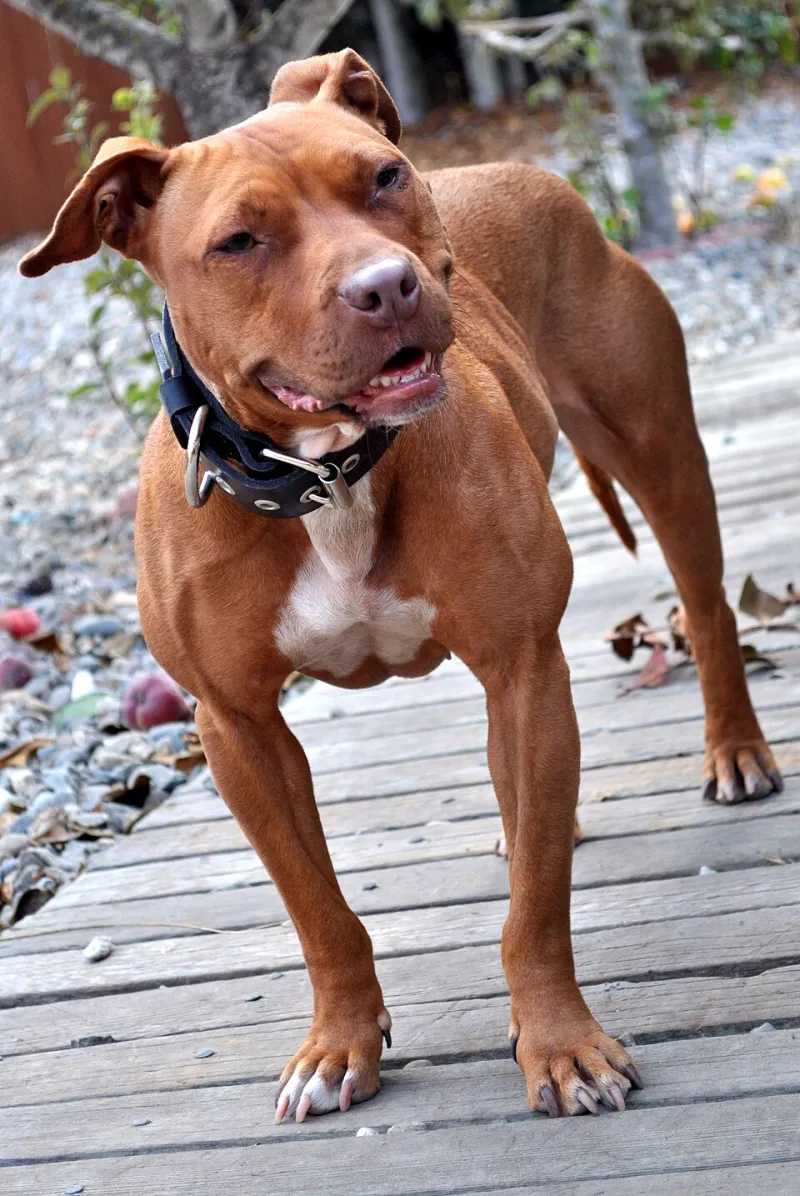
Photo by Photo by Leohoho on Unsplash on Unsplash
Imagine passing every test put in front of you — temperament evaluations, obedience benchmarks, behavioral screenings — and still being told you're too dangerous to insure. That's the reality for millions of pit bulls across the United States, and for the families who love them.
The data keeps coming in. The conclusions keep pointing the same direction. And somehow, the policies barely budge.
So what's actually going on?
What the Behavioral Science Is Saying
The American Temperament Test Society has been evaluating dogs since 1977. Their methodology isn't perfect, and no single metric tells the whole story — but their findings are hard to ignore. Breeds commonly labeled as "pit bulls" have historically passed at rates comparable to golden retrievers, border collies, and other dogs that no one would hesitate to insure.
The ATTS tests for a range of behaviors: reactions to strangers, response to auditory and visual stimuli, self-preservation instincts, and overall stability under mild stress. Dogs that panic, snap unprovoked, or show uncontrolled aggression fail. Dogs that hold it together pass. Pit bulls, as a general category, hold it together at impressive rates.
Independent researchers have found similar patterns. A 2020 study published in Scientific Reports examined bite data and concluded that physical appearance — including breed — was a poor predictor of a dog's likelihood to bite. What actually mattered? Individual history, socialization, and owner behavior. The dog's breed label? Statistically weak as a standalone variable.
That's not a fringe finding. That's peer-reviewed science.
The Actuary Problem
Here's where things get complicated. Insurance isn't built on ideology — it's built on risk models. And risk models are only as good as the data that feeds them.
The problem is that much of the bite and liability data insurers have historically relied on comes from incident reports, emergency room records, and news coverage. All three of those sources have a well-documented pit bull identification problem. Breed misidentification in bite reports is rampant. Studies have shown that visual breed identification — even by trained professionals — is wrong more often than it's right. A dog labeled a "pit bull" in a police report might be a boxer mix, a Labrador mix, or a bulldog cross.
When you build a risk model on misidentified data, you get a distorted picture. And when that distorted picture gets baked into underwriting guidelines, it becomes policy — and policy is stubborn.
Several actuaries we spoke with acknowledged the identification issue, though most preferred to remain anonymous given the sensitivity of the topic within the industry. One described the current system bluntly: "We're pricing based on a category that doesn't have a clean definition. That's not ideal actuarial practice, but it's what we inherited, and nobody's been forced to change it yet."
That last part — nobody's been forced to change it yet — is doing a lot of work.
The Housing Side of the Equation
Insurance is one wall. Housing is another.
Breed-restrictive policies in rental housing affect an estimated 75% of rental units in the United States, according to advocacy data compiled by the Animal Legal Defense Fund. Landlords who enforce breed bans often do so because their property insurance requires it — which means the insurance industry's risk classifications ripple directly into housing access.
The consequences are real and measurable. Families surrender dogs they love because they can't find a place to live that will take them. Pit bulls flood shelters not because they're unwanted, but because the housing market has made keeping them financially and logistically untenable for renters.
Advocates working on this issue describe it as a policy feedback loop: shelters fill up, which reinforces the perception that pit bulls are a "problem breed," which justifies continued restrictions, which sends more dogs to shelters. Round and round.
"We're not dealing with a dog problem," says one housing advocate who works with low-income pet owners in the Southeast. "We're dealing with a policy problem that's been dressed up to look like a safety issue."
What Merit-Based Evaluation Actually Looks Like
A growing coalition of insurers, shelter organizations, and policy advocates is pushing for an alternative framework: individual dog assessment.
Rather than categorizing by breed, merit-based systems evaluate the specific animal. Has the dog completed a recognized training program? Does it have a documented behavioral history? Has it passed a standardized temperament screen? These are answerable questions that produce actual, usable data about an individual animal's risk profile.
Some insurance companies have already moved in this direction, quietly. A handful of regional and specialty insurers now offer coverage based on a dog's individual history rather than its breed classification. The early results haven't produced the catastrophic liability spikes that breed-based advocates predicted. In fact, several have found that individual assessments produce more accurate risk pricing across the board — for all breeds.
California passed legislation in 2023 prohibiting insurers from denying homeowners coverage solely based on dog breed. Michigan has introduced similar proposals. It's slow movement, but it's movement.
The Resistance to Change
So why hasn't the industry moved faster?
Part of it is institutional inertia. Underwriting guidelines don't change easily, and the people with the authority to change them aren't usually the ones absorbing the human cost of the current system.
Part of it is legal liability. Insurers worry that moving away from breed-based restrictions opens them up to claims they're not currently exposed to — even if the actual risk data doesn't support that fear.
And part of it, frankly, is cultural. Pit bulls carry decades of manufactured stigma, and that stigma has been profitable for certain corners of the media and political landscape. Changing a policy requires first changing the story people tell about why the policy exists.
That's the harder work. And it's the work that organizations like The Merit Pit Bull Foundation exist to do.
The Case for Doing Better
None of this is abstract. Every day that breed-based policies stay on the books is another day that a family gets turned away from an apartment, another dog gets surrendered to an already-overwhelmed shelter, another owner pays a premium that has nothing to do with the actual animal sleeping at the foot of their bed.
The science has done its job. The behavioral data is there. The actuarial case for individual assessment is being built in real time by insurers willing to try something different.
What's left is the political will to demand better — from legislators, from insurance commissioners, from landlords, and from the industry itself.
Pit bulls have been passing the tests for years. It's time the policies started reflecting that.