So You Own a Pit Bull in America: A No-Nonsense Guide to Fighting Back Against the Fine Print
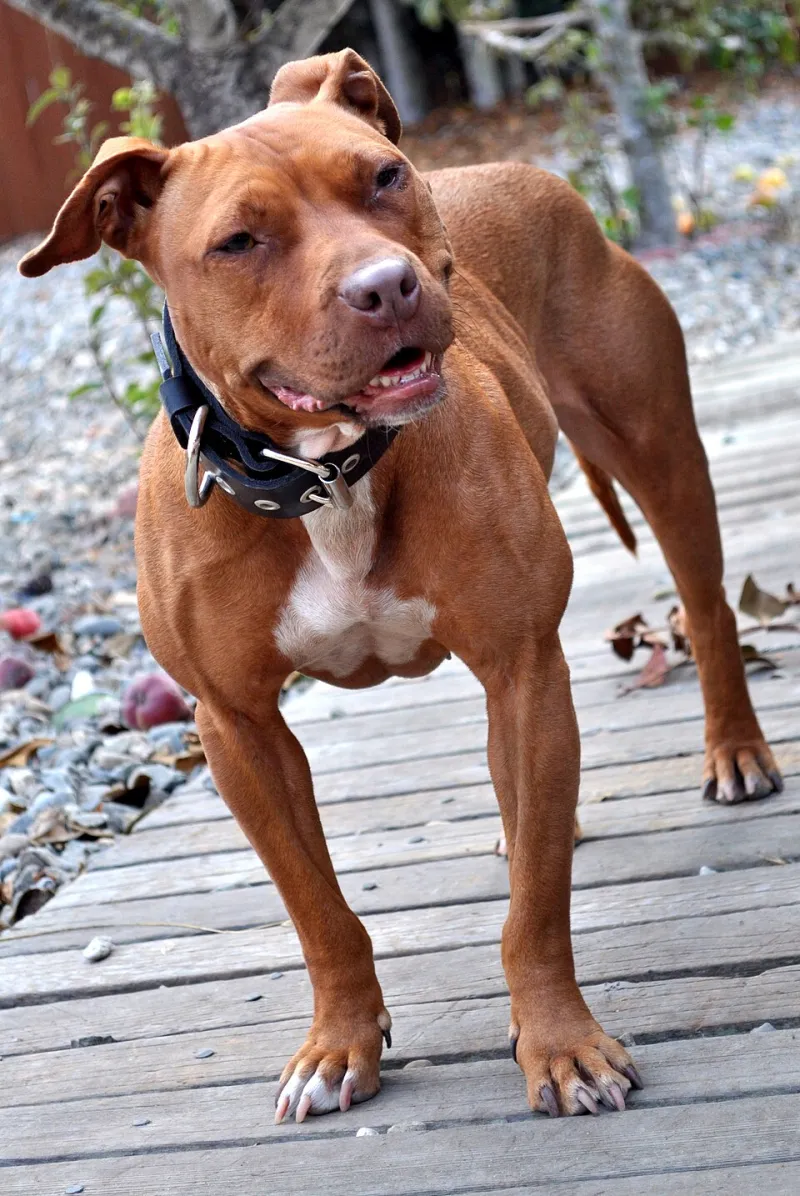
Photo: Stacy, CC BY 2.0, via Wikimedia Commons
Let's be honest about something most dog breed guides skip entirely: owning a pit bull in this country comes with paperwork.
Not the fun kind — vaccination records and adoption certificates. We're talking insurance riders, lease addendums, denial letters, and the particular exhaustion of explaining, over and over again, that your dog is a good dog. That she's never bitten anyone. That the liability waiver the landlord is asking you to sign feels a little insulting when your dog's biggest hobby is stealing socks.
Discrimination against pit bull owners is real, widespread, and — here's the part that matters — increasingly being challenged. This guide is for every pit bull parent who's been told no without a real reason, and wants to know what to do about it.
The Insurance Problem: What's Actually Happening
Homeowner's and renter's insurance policies that exclude specific dog breeds are more common than most people realize. Major carriers including State Farm, Allstate, and USAA have at various points maintained lists of "restricted breeds" — pit bulls almost universally among them — that either disqualify applicants or trigger exclusions for dog-related liability claims.
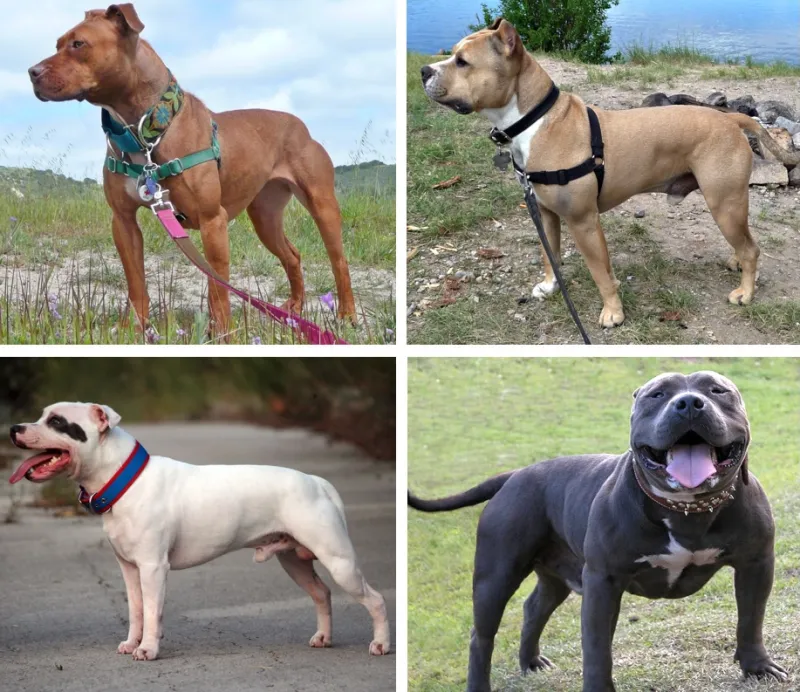
The logic, insurers say, is actuarial: they're pricing for risk. But here's the problem with that argument — the data doesn't cleanly support breed as a reliable predictor of bite risk. The American Veterinary Medical Association, the CDC, and the National Canine Research Council have all noted the limitations of breed-based bite statistics, including the fact that breed identification in incident reports is notoriously unreliable. "Pit bull" is not a recognized breed — it's a physical descriptor applied inconsistently to dozens of mixed-breed dogs.
What this means practically: your dog may have been denied coverage based on how she looks, not how she behaves.
What you can do:
- Shop independent and regional insurers. Companies like State Auto, Amica, and Erie have been noted by pit bull advocacy groups for more flexible underwriting. Umbrella policy providers sometimes offer options that larger carriers won't.
- Document your dog's behavior history. Canine Good Citizen (CGC) certification from the American Kennel Club is recognized by some insurers as evidence of temperament and can influence underwriting decisions.
- Ask about exclusions explicitly. Some policies exclude breed-related claims without disclosing this upfront. Get it in writing before you pay a premium.
- Check your state's laws. A growing number of states — including Pennsylvania, Nevada, and New York — have passed or are considering legislation restricting breed-based insurance discrimination. The Animal Legal Defense Fund (aldf.org) maintains updated resources on state-level protections.
Housing: The Apartment Lease That Feels Like an Obstacle Course
For renters, the situation can be even more frustrating. "No pit bulls" is a phrase that appears in rental listings across the country with the casual certainty of a no-smoking policy — as though it's a reasonable, neutral rule rather than a decision based on a stereotype.
Tanya, a nurse in Denver, spent four months apartment hunting before finding a landlord willing to meet her dog, a seven-year-old pit mix named Franklin, before making a judgment. "Every other place, they didn't even want to hear about him," she says. "It didn't matter that he had a CGC, that he'd never had an incident, that I had references from three previous landlords. The listing said no pit bulls and that was that."
Denver itself has a complicated history here — the city enforced a breed-specific ban for years before repealing it in 2020, a shift that advocates celebrated as a meaningful win. But landlord-level restrictions exist independently of municipal law, and they're harder to challenge.
Practical strategies for pit bull owners navigating housing:
- Build a pet resume. Yes, this is a real thing. A one-page document with your dog's photo, vaccination history, training certifications, behavioral references from vets or trainers, and a letter from a previous landlord can genuinely shift a conversation.
- Offer a pet deposit or additional liability coverage. Sometimes the concern is financial risk. Addressing it proactively can open doors.
- Know your fair housing rights — with nuance. The Fair Housing Act does not currently protect pet owners based on breed. However, if your pit bull is a trained emotional support animal (ESA) with proper documentation, housing providers are generally required to make reasonable accommodations regardless of breed restrictions. This is a legitimate path for some owners, though it's worth consulting an attorney before relying on it.
- Connect with local pit bull advocacy networks. Organizations in many cities maintain informal lists of pit-bull-friendly landlords and property management companies. Community knowledge is underrated.
The Workplace Question Nobody Talks About
This one is quieter but real. Pit bull owners have reported hesitation from employers — particularly in fields like childcare, healthcare, and education — around the perception of owning a "dangerous" dog. It comes up in background check conversations, in casual office small talk that turns awkward, in the unspoken calculation some hiring managers apparently make.
There's no federal employment protection for dog owners based on breed, and this kind of bias is difficult to document or challenge formally. But awareness matters. If you're in a field where this feels relevant, keeping your dog's training credentials and behavioral history ready to share — calmly, confidently, as a point of pride rather than defensiveness — can reframe the conversation before it goes sideways.
The Bigger Picture: Communities Pushing Back
The good news — and there genuinely is good news — is that the landscape is shifting. More than 20 states now prohibit municipalities from enacting breed-specific legislation, which signals a broader change in how lawmakers are thinking about dog policy. Insurance reform advocates are gaining traction in state legislatures. Rental advocacy groups are increasingly flagging breed discrimination as a fair housing concern worth examining.
Organizations like the National Pit Bull Victim Awareness group push one narrative. But groups like ours, and like Best Friends Animal Society, the Humane Society of the United States, and countless local rescues, are building a different one — one dog, one data point, one changed mind at a time.
You're not fighting this alone. And the fine print isn't the final word.
The Merit Pit Bull Foundation connects pit bull owners with advocacy resources, legal information, and community support. Visit themeritpitbullfoundation.com to learn more.