No Label, No Problem: Inside the Shelters Ditching Breed Names and Letting Dogs Speak for Themselves

Walk into most animal shelters in America and you'll see it before you see the dogs: the label. 'Pit bull mix.' Two words that, according to a growing body of shelter data, can slash a dog's odds of adoption and stretch kennel stays by weeks or even months.
But in a handful of shelters from Denver to Durham, something different is happening. The breed label is gone. In its place: a skills report.
The Experiment That Shouldn't Be Radical
Here's the pitch, and it's almost embarrassingly simple. Instead of guessing a dog's breed — which shelter staff admit is often wrong more than half the time, even with DNA tests in hand — these shelters evaluate what a dog can actually do.
Can they settle on a mat during a chaotic playgroup? Do they take treats gently? How do they respond to a leash, a stranger, a squeaky toy at 7 a.m.? Each dog gets a portfolio: temperament scores, training aptitude, energy level, the works. The kennel card reads less like a rap sheet and more like a college application.
The results? Shelters that have made the switch report faster adoptions across the board — but the effect is most dramatic for the blocky-headed, short-coated dogs who used to wear the scarlet letters of 'pit mix.'
Meet Dog #417
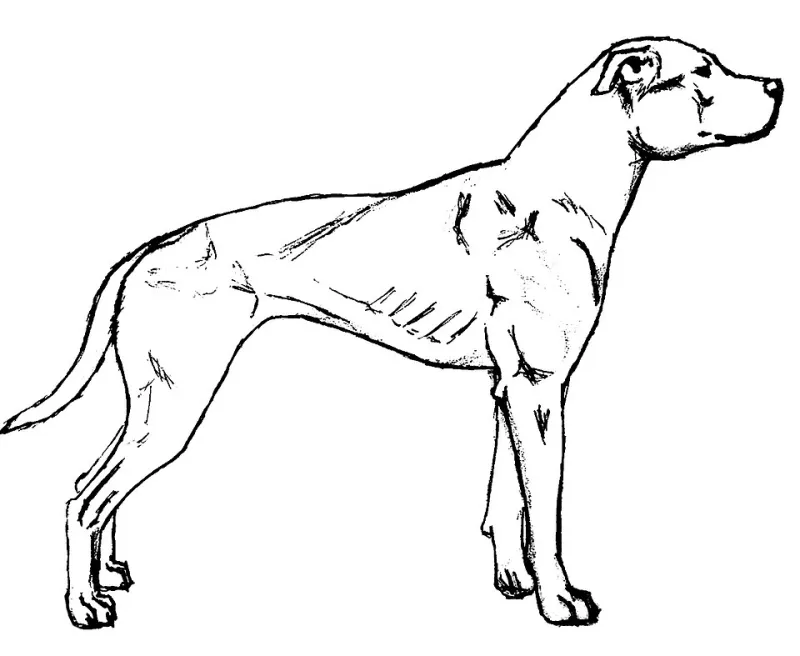
We followed one dog — a muscular, gray-and-white girl the staff called Cricket — through the entire process at a mid-sized municipal shelter that made the switch eighteen months ago.
When Cricket arrived as a stray, the intake notes said 'pit bull type.' Under the old system, that's the word adopters would have seen first. Under the new system, nobody sees it at all.
Instead, Cricket spent three days in evaluation. Day one: handling and social response. She leaned into the assessor's legs and wagged so hard her whole back half followed. Day two: play and impulse control. She flunked the 'don't grab the treat' test twice, then figured it out — which, her evaluator noted, says more about her than the mistake did. Day three: her skills showcase. Turns out Cricket is a natural on a agility ladder and obsessed with tug.
Her new kennel card: 'High-energy playmate. Loves tug and fetch. Quick learner, food motivated. Best with active household.'
She was adopted in nine days. Her previous shelter stay history — the one from the county facility two states over, where she'd been labeled and listed — lasted ninety-one.
The Data Behind the Anecdote
This isn't just feel-good storytelling. Research on breed labeling, including a well-known 2016 study that found removing breed labels increased adoptions of 'pit bull-type' dogs and reduced euthanasia rates, has given shelters permission to rethink the status quo. Add in the fact that visual breed identification is notoriously unreliable — even veterinary professionals frequently misidentify mixes — and the case gets stronger.
The merit-based model goes a step further than simply hiding the label. It replaces it with something better: information adopters can actually use. 'Pit bull mix' tells you almost nothing about whether a dog fits your life. 'Couch companion, gentle with small animals, knows six commands' tells you everything.
What Adopters Say When the Tag Disappears
Shelter staff report a familiar pattern. A family comes in looking for 'a friendly, medium-sized dog.' They meet Cricket — or dogs like her — and fall in love. Later, someone asks, 'What is she?' and the staff answer honestly: probably some pit bull in there, among other things.
By then, it doesn't matter. The bond formed around who the dog is, not what the paperwork guessed.
That's the whole thesis, really. Merit outperforms stereotype — not because stereotype gets debunked, but because it never gets a chance to do its damage in the first place.
The Ripple Effect
The merit model is catching on. Shelters in Colorado, North Carolina, and the Pacific Northwest have adopted versions of it, and national organizations are quietly encouraging the shift. It requires staff training and honest assessment protocols — this isn't about sugarcoating a dog's needs, and every evaluation includes challenges and limitations too. It's about accuracy, not marketing.
Because here's the thing: when you judge a dog by what they can do instead of what they look like, you don't just help the dogs. You help the families who find their perfect match faster, the shelters that empty kennels sooner, and the communities that get to meet the real dog instead of the label.
Cricket's new family sent the shelter a photo last month. She's mid-leap, catching a frisbee, ears flying, absolutely glowing with the specific joy of a dog who is exactly where she belongs.
The kennel card never mentioned she could do that. But the evaluation did.