From the Backyard to the Blue Ribbon: How Kids Are Discovering Their Perfect Athletic Partner in Pit Bulls
Photo: Unknown photographer, CC BY-SA 3.0, via Wikimedia Commons
There's a moment at dog sport competitions that keeps repeating itself across the country. A kid — maybe twelve, maybe fifteen — steps into the ring with a blocky-headed, wiggly-bodied pit bull. A few eyebrows go up in the stands. Then the dog runs. And the eyebrows stay up, but for a completely different reason.
This is what's happening in youth dog sports right now. Quietly, steadily, and with a lot of heart, pit bulls are becoming the go-to athletic partners for a generation of young handlers who care more about what a dog can do than what people assume a dog is.
The Breed That Actually Keeps Up
Ask any kid who's trained a pit bull for agility or obedience why they chose the breed, and you'll hear a version of the same answer: this dog never quits on me.
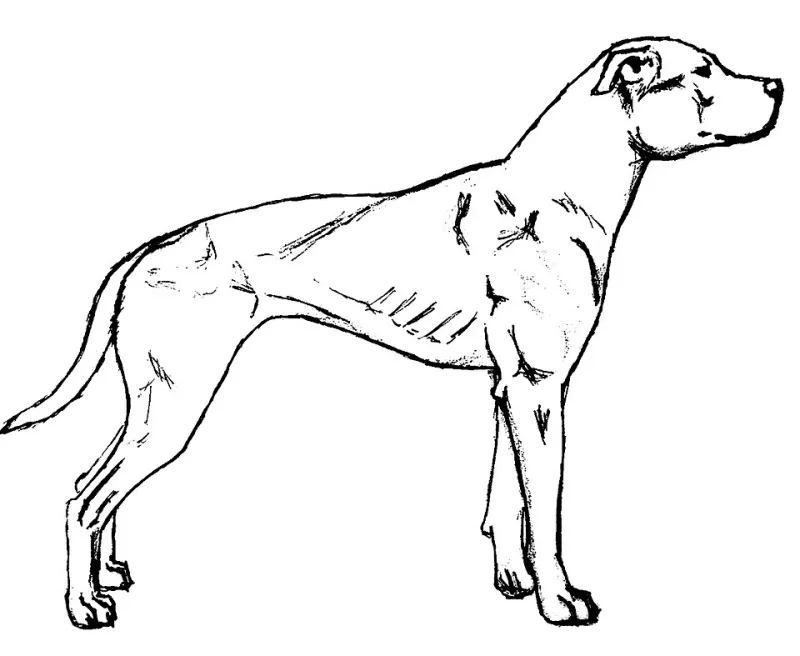
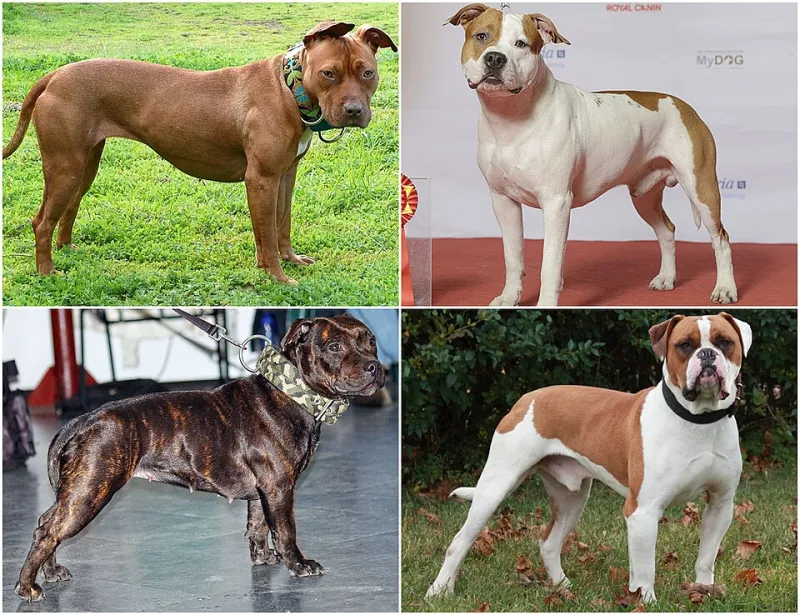
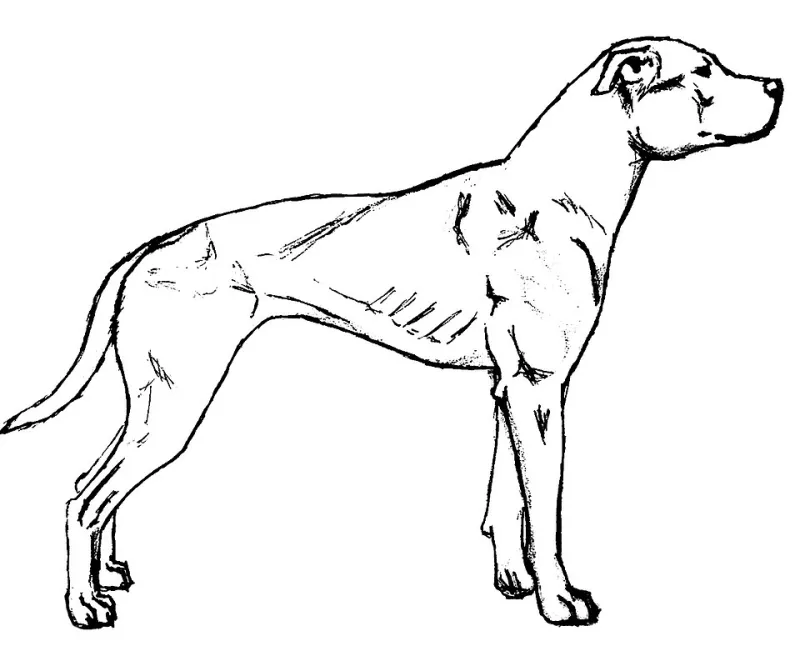
Pit bulls — a loose term that typically covers American Pit Bull Terriers, American Staffordshire Terriers, and a range of mixed-breed dogs who share similar physical traits — were originally bred for work that demanded intelligence, physical endurance, and an almost obsessive desire to please their handler. Those traits didn't disappear. They just got mislabeled.
For dog sports, those same traits are basically a cheat code. Pit bulls are fast, they're focused when properly trained, and they have the kind of drive that coaches dream about. They want to work. They want to get it right. And when a young handler earns that connection through consistent, positive training, the bond that forms is something genuinely special to watch.
Organizations like the United Kennel Club (UKC), which has long recognized the American Pit Bull Terrier as an official breed, have seen growing pit bull participation across their performance events. Youth handlers in particular are entering agility, weight pull, and dock diving with pit bulls in numbers that would have seemed unlikely even ten years ago.
Young Handlers, Real Results
Take the experience of families involved in 4-H dog programs, which operate in nearly every state and introduce hundreds of thousands of kids to dog training and competition every year. Increasingly, the dogs showing up at 4-H dog project meetings aren't golden retrievers and border collies — they're pit bulls adopted from local shelters.
For a lot of these families, the choice is practical as much as anything else. Shelters are full of pit bulls. They're often available at lower adoption fees. And for a kid who wants to start training, a young pit bull with energy to burn is an incredible match. What surprises many families is how quickly these dogs take to structured training — and how much the training changes the dog's behavior at home in the best possible ways.
Youth handlers who work with pit bulls in formal programs consistently report that the training process itself becomes a confidence builder — for the kid as much as the dog. Learning to read your dog, communicate clearly, and problem-solve through a tricky agility sequence teaches patience and resilience in ways that are hard to replicate in other activities.
Breaking Through in Organized Sports
The American Kennel Club (AKC) doesn't recognize the American Pit Bull Terrier as a breed, which has historically kept many pit bulls out of AKC-sanctioned events. But here's what a lot of people don't realize: mixed-breed and non-AKC dogs can still compete in AKC sports through the Canine Partners program. And plenty of pit bull owners are doing exactly that.
In events like AKC agility, rally, and obedience, pit bulls enrolled as Canine Partners are earning titles right alongside their purebred counterparts. Some are outright winning. The stigma that once kept these dogs off the podium is losing its grip, partly because results don't lie, and partly because the young handlers bringing them into the ring are doing so with a quiet, confident defiance that's hard to argue with.
Dock diving might be the sport where pit bulls are making the biggest visual splash — no pun intended. The combination of raw athleticism, high drive, and sheer enthusiasm for chasing a toy off a dock plays directly to the breed's strengths. Youth divisions at dock diving events have seen a real uptick in pit bull entries, and the crowds tend to go absolutely wild for it. There's something irresistible about watching a dog that was supposedly dangerous launch itself twenty feet through the air for the pure joy of the chase.
The Ripple Effect Nobody Talks About
Here's what makes this trend matter beyond the ribbons and the jump distances: every kid who trains a pit bull and competes with one becomes an ambassador whether they mean to or not.
They bring their dog to practice. Neighbors see it. They take photos at competitions. Those go online. They talk about their dog at school. Their friends get curious. And slowly, incrementally, the cultural image of what a pit bull is starts to shift — not because of a policy paper or a news segment, but because a twelve-year-old showed up with a happy, well-trained dog and a fistful of qualifying ribbons.
This is the kind of advocacy that sticks. It's personal. It's visible. And it's coming from a generation that didn't grow up with the same fear-based media narratives that shaped older attitudes toward the breed. These kids just see a dog — a really athletic, really fun dog that works hard and loves them back hard.
What Youth Programs Are Getting Right
The youth dog sports organizations seeing the most pit bull participation tend to share a few things in common. They focus on positive reinforcement methods, which play perfectly to the breed's handler-focused temperament. They emphasize the relationship between dog and handler over winning. And they create community spaces where dogs are evaluated on behavior and training, not breed.
That last part is huge. When a kid walks into a 4-H meeting or a youth agility class and sees their dog treated like any other dog — given the same opportunities, held to the same standards, celebrated for the same achievements — it sends a message that resonates far beyond the training floor.
It says: this dog belongs here.
The Long Game
Changing minds about pit bulls isn't a sprint. It's exactly the kind of event these dogs were made for — something that demands endurance, consistency, and the willingness to keep showing up even when the course gets hard.
But if you want to see where that change is actually happening, skip the op-eds for a minute and find a local dog sport trial. Look for the kid with the blocky-headed dog who's grinning like they just won the Super Bowl because their dog hit every weave pole clean for the first time.
That kid is doing more for pit bull advocacy than most of us realize. And that dog? That dog is exactly where it belongs — in the ring, earning every single thing people said it never could.