When the System Shuts the Door: How Pit Bull Owners Are Building Their Own Village
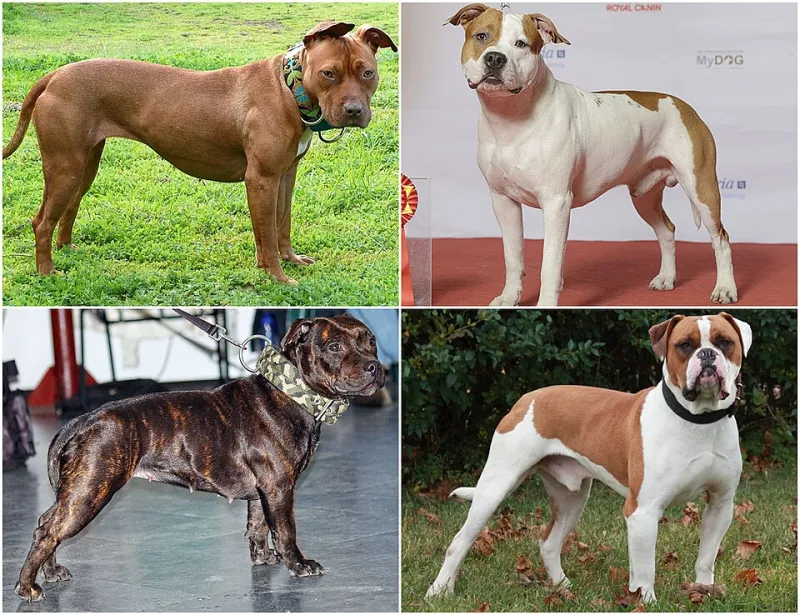
Photo: Adventurous36, CC BY-SA 4.0, via Wikimedia Commons
Tamara Willis adopted her first pit bull, a brindle girl named Clover, on a Tuesday afternoon in 2019. By Friday, she'd been turned away by two veterinary practices, ghosted by a trainer who'd seemed enthusiastic on the phone, and received a passive-aggressive note from a neighbor that referenced city ordinances she'd never heard of. Clover, for her part, spent most of that first week napping on the couch and learning to fetch a tennis ball.
"She was the easy part," Tamara says, laughing now from her home outside of Columbus, Ohio. "Everything around her was the problem."
Her experience isn't unusual. Across the United States, pit bull owners — whether they've adopted a classic American Staffordshire, a blocky-headed rescue of ambiguous lineage, or anything a shelter has labeled "pit mix" — often discover that the support infrastructure most dog owners take for granted just doesn't extend to them. Vets decline new patients. Trainers suddenly have full schedules. Apartment complexes cite breed restrictions. Insurance companies add riders. And sometimes, the city gets an anonymous call.
What's emerged in response is something genuinely remarkable: a loose but resilient network of pit bull-friendly professionals, community groups, and peer mentors who've decided that if the mainstream won't help, they'll build something better.
The Vet Problem Is Real — and Solvable
Let's start with the most essential piece of the puzzle. Finding a veterinarian who will see your pit bull without judgment, excessive muzzling, or outright refusal is step one — and it's harder than it should be.
The good news is that the pit bull community has gotten very efficient at sharing this information. Facebook groups dedicated to specific cities or regions often maintain informal "vet lists" — crowd-sourced recommendations from owners who've had genuinely positive experiences. These aren't just "they didn't kick us out" endorsements. The best ones include notes on staff demeanor, how the dog was handled, whether the vet asked thoughtful questions, and whether the experience felt collaborative rather than adversarial.
National resources like the ASPCA's veterinary network and Fear Free certified practices are also worth exploring. Fear Free certification, in particular, tends to correlate with a more individualized approach to animal behavior — one that doesn't assume a dog is dangerous based on how its head is shaped.
When you do find a good vet, tell other owners. That information is currency in this community.
Trainers Who Actually Get It
Positive reinforcement-based trainers who have specific experience with pit bulls and bully breeds are out there — but they don't always advertise loudly, and they book up fast. The key is knowing where to look and what questions to ask before you commit.
Start by asking local pit bull rescues and advocacy groups for referrals. Organizations that do placement work have usually already done the vetting for you. They know which trainers use humane methods, which ones understand breed-specific body language, and which ones will show up consistently without suddenly "going out of business" when they realize what kind of dog they're working with.
When you're interviewing a trainer, ask directly: Have you worked with pit bulls before? What's your approach to reactivity? What do you do when a dog is struggling? The answers tell you a lot. Anyone who leads with dominance theory, talks about "showing the dog who's boss," or seems uncomfortable with your dog's normal enthusiasm is probably not your person.
Marcus Chen, a pit bull owner in Atlanta who runs an informal mentorship group for new adopters, puts it plainly: "I tell everyone — don't just take the first trainer who calls you back. These dogs deserve someone who's actually excited to work with them."
The Neighbor Situation
This one's thornier. You can choose your vet and your trainer. You cannot always choose who lives next door.
What experienced pit bull owners have learned is that proactive relationship-building is almost always more effective than reactive damage control. That means introducing yourself and your dog before anyone has a reason to be alarmed. It means being visible in the neighborhood — walking with confidence, practicing good leash manners in public, and being the person who waves and stops to chat.
It also means knowing your rights. Many cities have laws on the books about breed-specific restrictions that are either unenforceable, outdated, or already repealed — but that doesn't stop people from citing them. Organizations like the National Canine Research Council and local humane societies often have legal resources for owners who've received complaints or citations. Document everything. Respond in writing when possible. And connect with other local pit bull owners who've navigated the same landscape.
"When my neighbor called the city on us, I already had three other pit bull owners on my block who came to the meeting with me," says Priya Nair, a pit bull owner in Portland, Oregon. "We weren't alone, and that changed the whole dynamic."
Peer Mentorship: The Unofficial Lifeline
Maybe the most underrated resource in the pit bull community is simply other pit bull owners who've been through it.
Groups like The Merit Pit Bull Foundation exist precisely because formal systems fail these families too often. But beyond organized advocacy, there's a sprawling, informal network of Facebook communities, Reddit threads, local meetup groups, and one-on-one text chains that function as a real-time support system for owners in crisis.
New adopters especially benefit from being connected with someone who's already navigated the learning curve — someone who can say, "Here's the vet I use, here's how I handled the HOA, here's what I wish someone had told me in week one." That kind of peer-to-peer mentorship doesn't show up in any official resource guide. It's built through trust, shared experience, and a mutual understanding that loving these dogs sometimes means fighting for the right to do so.
Tamara Willis, back in Columbus, eventually found her village. Clover has a vet she loves, a trainer who adores her, and a small circle of neighborhood dogs she plays with every Saturday morning. It took effort and a fair amount of frustration to get there.
"But once you find your people," Tamara says, "you realize how many of us there are. And that's actually pretty powerful."
Building Your Own Network: Where to Start
If you're starting from scratch, here's a practical starting point:
- Search Facebook for pit bull owner groups in your city or state. Look for active communities with regular posts and real engagement.
- Ask your rescue or shelter for vet and trainer referrals before you even bring your dog home.
- Look for Fear Free or AVSAB-aligned professionals — both markers suggest a behavior-forward, humane approach.
- Introduce yourself to your neighbors early — before they have a reason to be nervous.
- Connect with local advocacy organizations that can provide legal guidance if you ever need it.
- Pay it forward. When you find a good vet, a great trainer, or a supportive neighbor, tell someone. This network runs on shared information.
The system wasn't built with pit bull families in mind. But pit bull families have gotten very good at building something better.