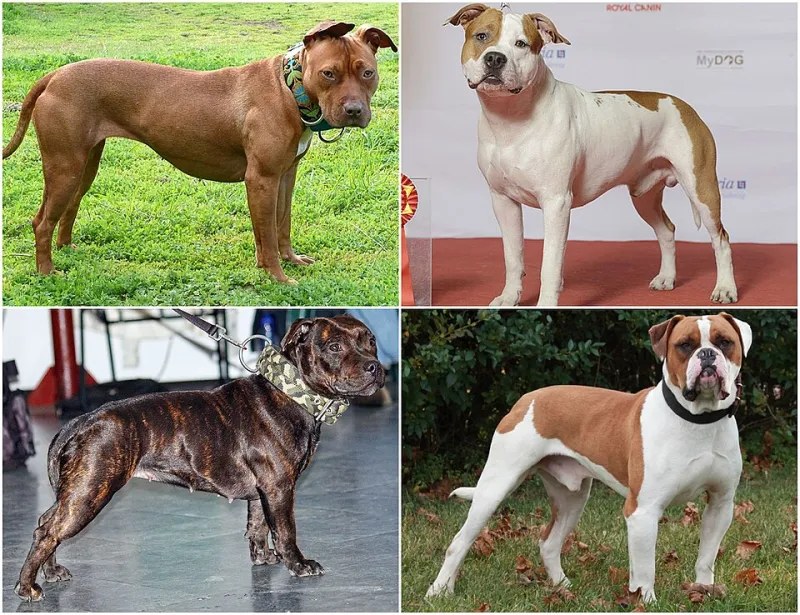
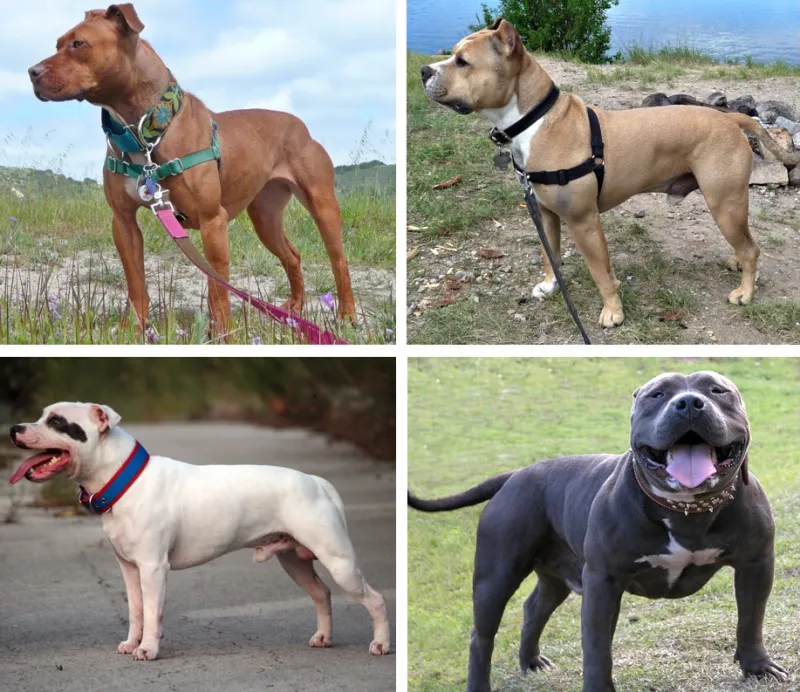
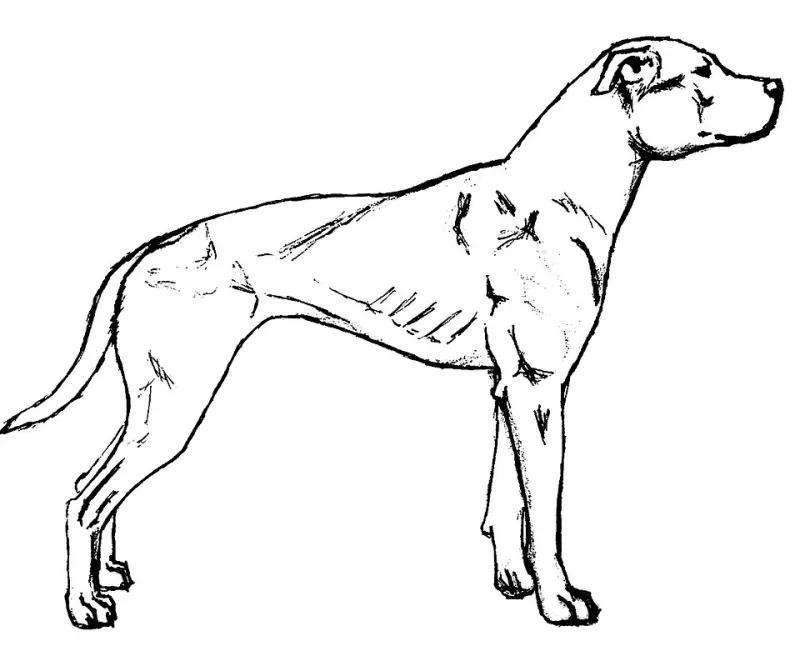
Full Kennels, Empty Homes: The Broken Logic Keeping Pit Bulls Stuck in Shelters
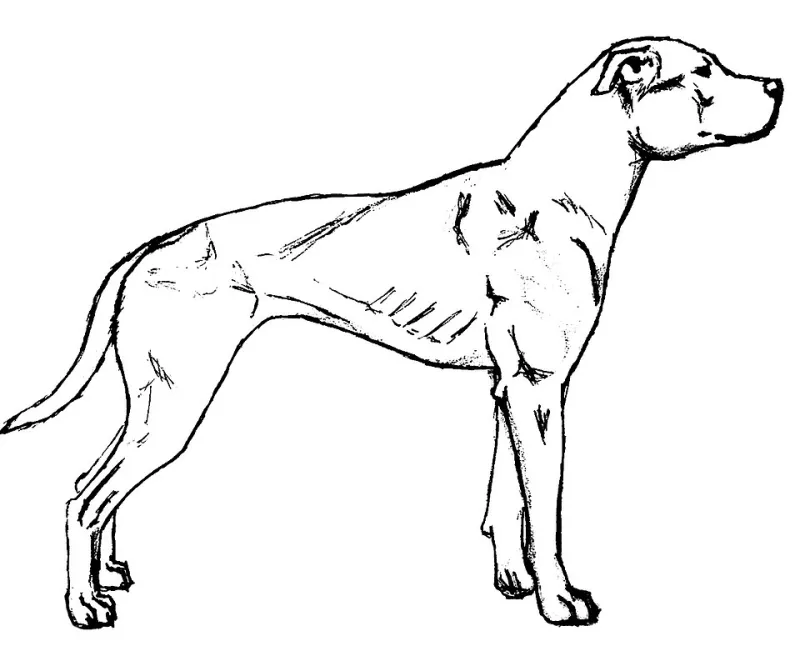
Photo: Adventurous36, CC BY-SA 4.0, via Wikimedia Commons
Here's a scenario that plays out in American shelters every single day: A family walks in specifically asking for a pit bull. They've done their research, they've owned dogs before, maybe they even grew up with one. They're ready. And somehow — somehow — they leave without a dog.
This isn't a rare glitch. It's a pattern. And it's one of the most maddening contradictions in animal welfare today.
Pit bulls and pit bull-type dogs make up somewhere between 30 and 50 percent of the dog population in U.S. shelters on any given day, depending on the region. Demand for them is real and consistent. Yet euthanasia rates for this group remain disproportionately high, and average length of stay stretches weeks longer than almost any other breed. The math doesn't add up — unless you start looking at what's happening between the moment someone walks through the shelter door and the moment they either sign adoption paperwork or don't.
When the System Works Against Itself
Let's start with intake. Many shelters still operate under policies developed during a very different era of animal welfare — one shaped by liability concerns, insurance pressures, and frankly, a lot of misinformation about breed temperament. Some facilities flag any dog with a blocky head and a muscular build as a "pit bull" and immediately subject that animal to a separate, more restrictive track. Extended behavioral observation periods. Additional sign-offs. Longer holds.
None of that is inherently bad. The problem is when those measures aren't applied consistently or transparently, when they're driven by breed appearance rather than actual behavioral assessment, and when they quietly signal to staff that these dogs are more dangerous or harder to place than they actually are.
That signal travels. And it shapes how adoption counselors talk to potential adopters.
The Counseling Problem Nobody Wants to Talk About
Shelter staff are, by and large, people who genuinely love animals. That's not the issue. The issue is that well-meaning counselors sometimes engage in what researchers and progressive shelter advocates call "fear-based counseling" — a pattern where staff inadvertently (or sometimes very deliberately) load prospective adopters down with so many warnings, disclaimers, and worst-case scenarios that the adopter walks away spooked.
"They told us the dog might not be good with kids, might not be good with other dogs, might have unknown trauma, and that we'd need a six-foot fence," one Texas family recounted after visiting a large municipal shelter. "We live in a townhouse and have a seven-year-old. We left feeling like we'd been talked out of it."
The family eventually adopted a pit bull mix through a rescue that used a completely different approach — one built around matching energy levels, lifestyle, and honest behavioral data rather than blanket warnings. That dog has been in their home for three years without incident.
This isn't to say that honest conversations about a dog's needs aren't important. They absolutely are. But there's a significant difference between giving someone real, individualized information about a specific animal and burying them under generic breed-based caution until they give up.
The Expectation Gap
There's another layer here that doesn't get discussed enough: the mismatch between what adopters expect and what shelters actually offer.
A lot of people who specifically want a pit bull have done their homework. They've watched YouTube videos, joined Facebook groups, maybe even followed pit bull advocacy accounts online. They arrive at the shelter with a reasonably informed picture of the breed — and then encounter a process that seems designed for someone who knows nothing and needs to be protected from their own decision.
At the same time, some adopters do arrive with unrealistic expectations — either glamorizing the breed's toughness in ways that aren't healthy for the dog, or dramatically underestimating the time and training investment that any dog requires. Shelters aren't wrong to want to screen for that. The trouble is when screening turns into gatekeeping, and gatekeeping turns into a kennel that never empties.
Progressive shelters are finding ways to thread this needle. And the results are genuinely worth paying attention to.
What the Good Ones Are Doing Differently
Across the country, a growing number of shelters and rescues are rethinking their entire adoption model — and pit bull placement rates are climbing as a result.
Transparent temperament assessments. Rather than keeping behavioral evaluations internal, some organizations now share detailed, plain-language summaries with prospective adopters. Not just "good with kids" checkboxes, but real notes: how the dog reacted to strangers, whether it showed resource guarding, how it responded to leash pressure. This kind of transparency builds trust and helps adopters self-select appropriately rather than relying on staff to make the call for them.
Meet-your-match programs. Several shelters have moved away from the "walk the kennels and pick one" model toward structured meet-and-greet programs where adopter lifestyle information is collected upfront and used to suggest specific dogs. This reduces the overwhelm factor and dramatically cuts down on return rates.
Post-adoption support networks. One of the most underrated tools in the progressive shelter toolkit is what happens after the adoption. Organizations that offer follow-up check-ins, access to low-cost training resources, and active community groups for new pit bull owners see significantly lower return rates. People don't give up on dogs they have support for.
Honest marketing. Some rescues have gotten creative about how they present dogs online — leading with personality and quirks rather than breed labels, using video content that shows the dog's actual behavior, and being upfront about challenges without making those challenges sound insurmountable.
The Cost of Getting This Wrong
Every dog that sits in a kennel for an extra month because a potential adopter was counseled out of the adoption isn't just a statistic. It's a real animal experiencing the documented stress of shelter life — elevated cortisol, behavioral deterioration, decreased immune function. It's also a kennel space that could have housed another dog in need.
And it's a family somewhere that wanted a pit bull, got turned away or talked out of it, and maybe never came back.
The pit bull overcrowding crisis isn't just a supply problem. It's a systems problem. The demand is there. The willing homes are there. What's missing, in too many places, is an adoption process designed to actually say yes.
The shelters that are figuring this out aren't cutting corners on animal welfare. They're cutting through the noise — replacing fear-based gatekeeping with genuine, individualized support. And their kennels are emptying.
That's the model worth replicating. That's the future pit bull advocacy has to push for.