Shelter Gold: The Heartbreaking Irony of America's Most Adoptable Dog Sitting in a Kennel the Longest
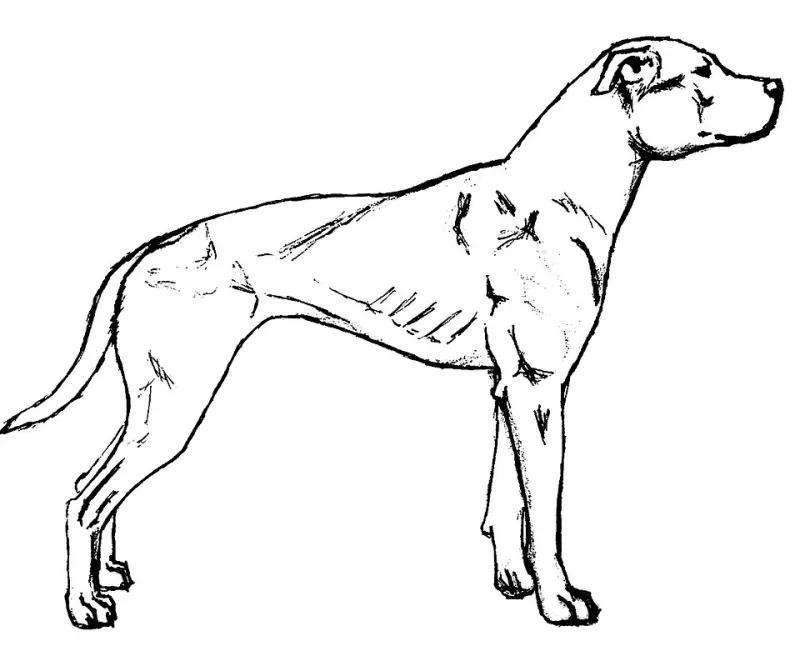
Photo: Adventurous36, CC BY-SA 4.0, via Wikimedia Commons
Walk into almost any municipal animal shelter in the United States and you'll notice something almost immediately. The kennels housing pit bulls and pit bull-type dogs are full. Some of those dogs have been there for months. A few, for over a year. Meanwhile, a golden retriever mix that came in last Tuesday already has three adoption applications pending.
This isn't anecdote. This is pattern. And the data behind it is both frustrating and, if you look closely enough, quietly hopeful.
What the Numbers Actually Tell Us
According to shelter intake data compiled by organizations like the ASPCA and the Shelter Animals Count National Database, pit bull-type dogs represent somewhere between 30 and 40 percent of all dogs in American shelters at any given time — despite making up a much smaller fraction of the overall pet dog population. Their average length of stay routinely runs two to three times longer than that of other comparable mixed-breed dogs.
Here's where it gets paradoxical: when pit bulls do get placed — particularly through foster-based rescue programs where potential adopters interact with them in home environments — their post-adoption return rates are not significantly higher than other breeds. In several studies, they're actually lower. Dogs that get a chance to show who they are, rather than who people assume they are, tend to stick.
So the problem isn't the dogs. The problem is the gap between the kennel and the living room.
The Psychology of the Pass-Over
Researchers at Arizona State University published findings a few years back that illustrated something shelter workers have known intuitively for a long time: people walk past pit bull kennels faster. They make less eye contact. They're less likely to ask a staff member for a meet-and-greet.
This isn't necessarily conscious cruelty. It's the accumulated weight of decades of negative media coverage, neighborhood mythology, and breed-specific legislation that — even when it doesn't directly affect a potential adopter — has quietly shaped their gut reaction to a blocky head and a wide chest.
Dr. Clive Wynne, a canine cognition researcher, has pointed out that dogs are exquisitely sensitive to human social cues. A dog that senses hesitation or anxiety from a visitor at an adoption event is going to behave differently than one being greeted with open, relaxed energy. In other words, the fear itself can create the very behavior that seems to confirm it. It's a self-fulfilling loop, and shelters are stuck right in the middle of it.
Shelters That Are Actually Cracking the Code
Not everyone is losing this fight. A handful of shelters across the country have quietly been running experiments in pit bull placement — and some of their results are genuinely remarkable.
Austin Animal Center in Texas, which operates as a high-volume, open-intake facility, overhauled the way it presents pit bulls to the public several years ago. Instead of listing dogs by breed label — a category that research shows triggers immediate bias — they shifted to behavior-based descriptors. A dog wasn't a "pit bull mix"; it was a "playful, people-focused dog who loves fetch and would thrive in an active household." Adoption rates for pit bull-type dogs increased measurably within the first year of the change.
PAWS Chicago has leaned heavily into its foster program as a placement pipeline, deliberately routing pit bulls into foster homes before listing them as available. By the time a dog hits the website, it comes with a foster family's firsthand account of living with that specific animal — its quirks, its favorite games, whether it hogs the couch. That context changes everything for a hesitant adopter scrolling at midnight.
In Atlanta, a smaller rescue called Releash Atlanta built its entire model around "meet your match" events held in non-shelter environments — parks, breweries, community spaces — where pit bulls interact with the public without the institutional anxiety of a kennel setting. Their average time-to-adoption for pit bulls sits well below the national average.
The throughline in all of these approaches? They treat the bias as a solvable problem, not a fixed reality.
What a Hesitant Adopter Actually Needs to Hear
If you've ever walked past a pit bull at a shelter and felt that flicker of uncertainty, we're not here to shame you. Honestly. The images and stories you've absorbed over a lifetime didn't come from nowhere. But they also didn't come from science, and they didn't come from the dogs themselves.
Here's what we'd ask you to do instead of walking past:
Ask for a meet-and-greet. Shelter environments are stressful for every dog, and a kennel presentation is about as representative of a dog's personality as a job interview is of yours. Get into a quiet room. Sit on the floor. See what happens.
Read the behavioral notes. Shelters that do thorough intake assessments will have real information about how a dog does with other animals, kids, strangers, and new environments. That information is more useful than breed.
Consider fostering first. Almost every major shelter and rescue in the country has a foster program. Fostering a pit bull for two weeks costs you nothing but time and gives you a genuine, lived-in understanding of whether that specific dog fits your life. Many foster placements become permanent — shelter workers call it a "foster fail," but it's really a foster win.
Talk to people who have them. Pit bull owners are not a cult, but they are a community, and they are almost universally enthusiastic about their dogs. Find one. Ask them anything.
The Kennel Should Not Be the End of the Story
Every week that a pit bull spends in a shelter kennel is a week of stress, behavioral regression, and missed opportunity. It's also a week of resources — staff time, food, medical care, space — that a shelter is spending on a dog who, by every meaningful metric, is ready to go home.
The adoption paradox isn't unsolvable. It's already being solved, one placement at a time, by shelters willing to rethink their approach and adopters willing to question their assumptions. The dogs have been ready. They've always been ready.
They're just waiting for us to catch up.