Dock Dives, Blue Ribbons, and Broken Stereotypes: Meet the Pit Bulls Dominating the Competition Circuit
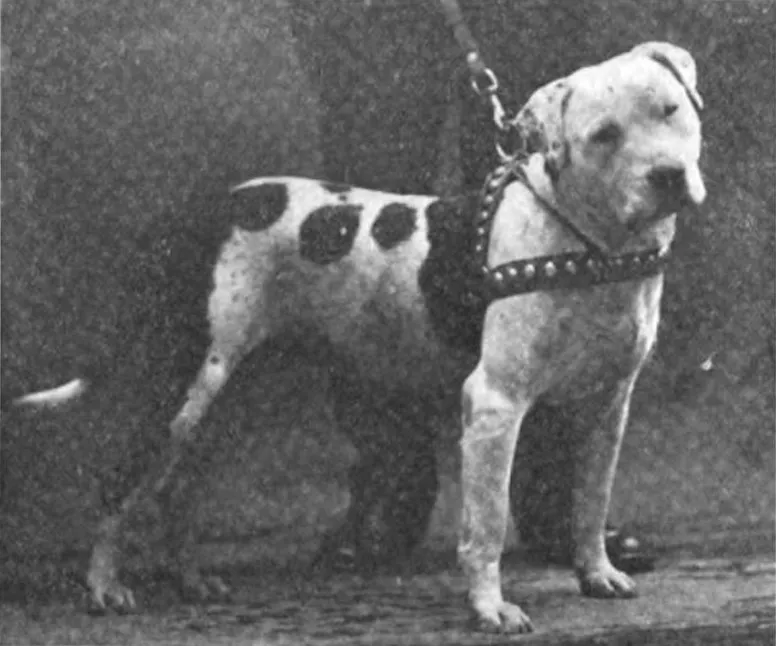
Photo: Unknown authorUnknown author, Public domain, via Wikimedia Commons
The crowd at a DockDogs event doesn't always know what to expect when a blocky-headed, barrel-chested dog trots to the end of the dock. But the second that dog launches — all muscle and momentum — and splashes down past the 20-foot marker, the reaction is pretty universal. Jaws drop. Phones come out. And somewhere in the back of a lot of minds, a quiet assumption gets revised.
That moment — surprise giving way to genuine admiration — is happening in dog sports venues all over the United States. Pit bulls are competing at elite levels in disciplines that demand athleticism, focus, cooperation, and trust. And their success is quietly doing more for breed perception than almost any other form of advocacy.
The Sports Where Pit Bulls Are Thriving
Dock diving might be the most visually spectacular showcase for what these dogs can do. Events sanctioned by organizations like DockDogs and North America Diving Dogs draw competitors from dozens of breeds, and pit bull-type dogs have become a consistent presence in the upper tiers of distance competition. Their combination of explosive power, drive, and handler focus makes them natural athletes in a sport that rewards exactly those qualities.
Agility is another arena where the breed is making serious noise. The obstacle courses — weave poles, tunnels, A-frames, teeter-totters — demand precise communication between dog and handler, fast thinking, and a dog that genuinely wants to work. Pit bulls, with their high trainability and deep desire to engage with their people, have proven to be exceptional agility partners when given the opportunity.
Weight pull competitions have a longer history with the breed, but the sport has evolved significantly from its rougher origins. Modern sanctioned weight pull events through organizations like the United Kennel Club emphasize voluntary participation, conditioning, and the bond between dog and handler. Watching a well-trained pit bull lean into a harness and move a loaded sled is a masterclass in controlled power — nothing like the distorted image that media coverage often conjures.
Obedience trials and Rally competitions round out the picture. These events test precision, reliability, and the depth of training — and pit bulls are earning titles at every level. The Canine Good Citizen program alone has been completed by thousands of pit bull-type dogs, a certification that carries real weight with insurers, landlords, and skeptical neighbors.
The Dogs You Should Know
Talk to anyone deep in the pit bull sports community and names start coming up fast. Dogs with callsigns like "Rocket" and "Diesel" who've racked up DockDogs titles across multiple seasons. Rescue dogs who arrived at shelters with unknown histories and went on to earn agility championships that their handlers still can't quite believe.
One story that circulates regularly in the community involves a female pit bull named Kona, pulled from a Southern shelter with a bite history flag on her paperwork. Her adopter, a competitive agility handler in the Pacific Northwest, spent a year working through her reactivity before entering their first trial. Three years later, Kona had a shelf full of qualifying ribbons and a social media following that her handler uses deliberately — posting competition footage alongside adoption advocacy content to reach people who'd never engage with a traditional rescue appeal.
That intentionality is common among pit bull sport handlers. They know what their dogs represent beyond the competition ring, and many of them lean into it.
What Trainers Are Seeing
Professional trainers who work extensively with pit bulls in sports contexts are remarkably consistent in what they say about the breed's capabilities.
"These dogs want a job," says one agility trainer based in Colorado who has competed with pit bulls for over a decade. "They want to be working with you, solving problems, moving fast. The challenge is never motivation — it's channeling that drive productively. When you get that right, you have a dog that will run their heart out for you."
What trainers also emphasize is the relationship component. Pit bulls tend to be deeply handler-focused, which means the quality of the human-dog bond shows up directly in competition performance. A dog that trusts its handler completely will take risks, recover from mistakes quickly, and push through difficulty. That kind of partnership doesn't happen by accident — it's built through consistent, positive training over time.
For trainers who work with rescue dogs entering sports programs, the transformation is often striking. Dogs who arrived shut down or anxious bloom when they find a sport that suits them. The structure, the predictability, the clear communication — it gives them something to organize their world around.
From the Ring to the Community
Here's where sports advocacy gets really interesting: the ripple effects beyond the competition venue.
When a pit bull earns a title at a public event — especially one attended by families who came to watch retrievers and border collies — something shifts. People who arrived with assumptions leave with questions. They pull out their phones and look things up. They talk to the handler. Sometimes they go home and reconsider a shelter visit they'd been putting off.
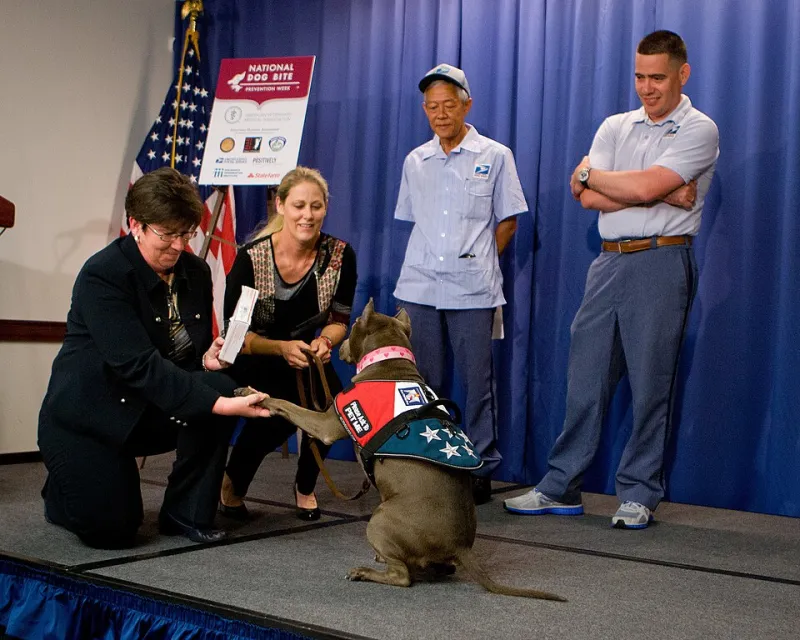
Shelters that have connected with local sport dog communities have reported real-world impact. When a shelter dog gets placed with a handler who competes publicly, the dog becomes a visible ambassador in a context that feels safe and positive to people who might otherwise be wary. Adoption events held at sport dog venues — or that feature trained, titled pit bulls as part of the program — consistently generate more engagement than standard shelter adoption fairs.
Social media has amplified this effect enormously. Dock diving footage of a muscular pit bull clearing 24 feet gets shared by people who would never repost a shelter adoption plea. The emotional hook is different — it's joy, it's athletic achievement, it's a dog doing something extraordinary — and it reaches audiences that traditional advocacy misses entirely.
Getting Involved
If you have a pit bull and you've never explored dog sports, the barrier to entry is lower than you might think. Most sports have beginner-friendly entry points, and local clubs affiliated with organizations like the AKC, UKC, or sport-specific groups like DockDogs welcome new participants.
Canine Good Citizen classes are often a natural starting point — they build foundational skills and result in a certification that's practically useful beyond any competitive ambitions. From there, most dogs and handlers find the sport that fits their personality and energy level.
The pit bull sports community is also, by and large, a welcoming one. Handlers who've navigated the skepticism their dogs sometimes face at events tend to be generous with new participants going through the same thing. There's a shared sense of purpose that runs alongside the competitive drive.
Every blue ribbon, every distance record, every obedience title is a data point. And in the long project of changing how America sees these dogs, data points add up.