The Hidden Tax of Loving a Pit Bull: What Nobody Warns You About Vet Bills Before You Adopt
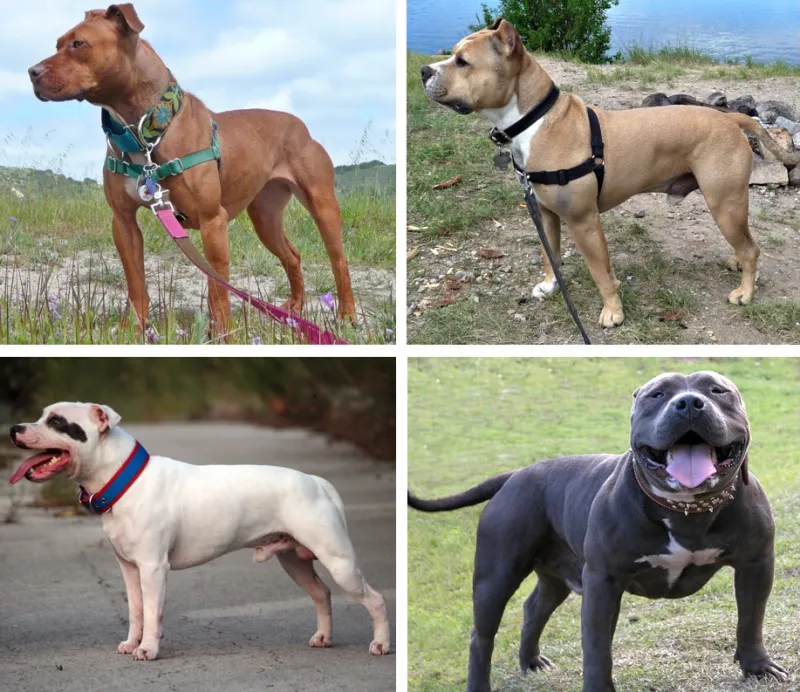
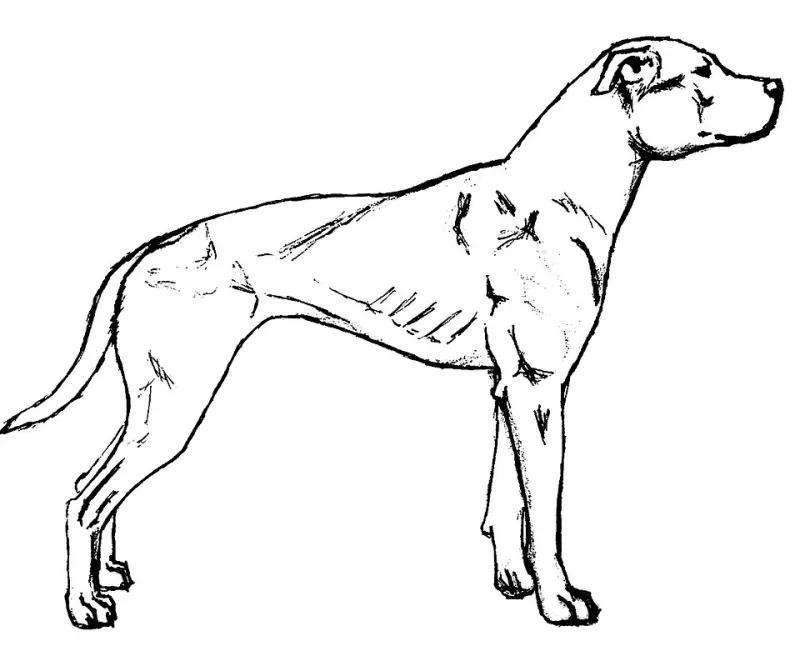
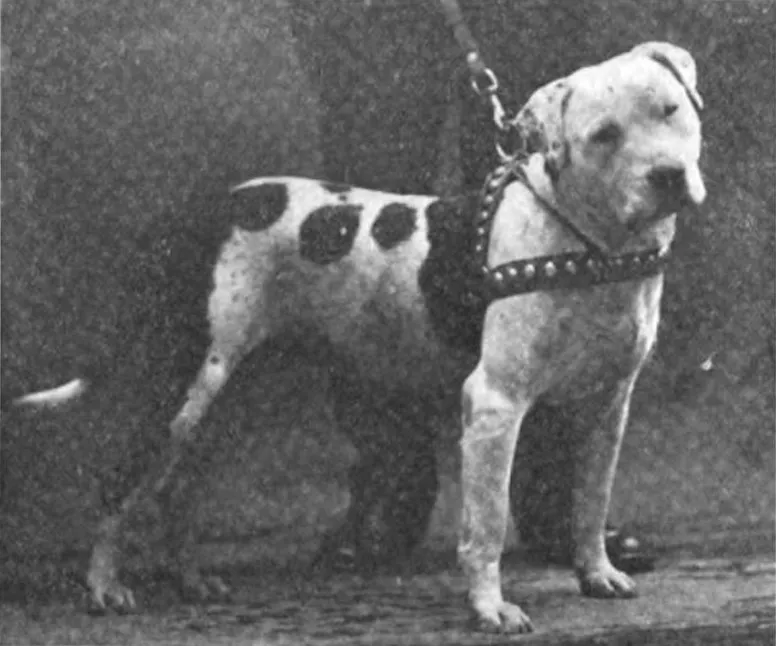
Photo: Various, see description. Compiled by JackMtnSun, CC BY-SA 3.0, via Wikimedia Commons
Let's be honest about something that doesn't come up enough in pit bull advocacy conversations: owning one of these dogs can be expensive in ways that catch even prepared adopters completely off guard. Not because pit bulls are inherently sickly or fragile — they're not — but because a combination of systemic bias, breed-specific health considerations, and a broken pet insurance landscape stacks the financial deck against their owners in ways that are genuinely unfair.
And here's why that matters beyond just your wallet: when the cost of ownership becomes unsustainable, dogs end up back in shelters. That's not a hypothetical. Veterinary costs rank consistently among the top reasons people surrender pets. For pit bull owners who are already navigating landlord restrictions, insurance discrimination, and social stigma, an unexpected $3,000 vet bill can be the thing that breaks an otherwise committed family. Understanding the financial landscape before you adopt isn't pessimistic — it's responsible, and it might just keep a dog in the home they finally found.
Why Are Pit Bull Vet Bills Often Higher?
The answer isn't one thing. It's several things colliding at once.
Breed-specific health predispositions play a real role. Dogs commonly labeled as pit bulls — which can include American Pit Bull Terriers, American Staffordshire Terriers, Staffordshire Bull Terriers, and a whole lot of mixed-breed dogs who got the label by default — do have documented tendencies toward certain conditions. Skin allergies and environmental sensitivities are probably the most common, and they're notoriously expensive to manage long-term. We're talking about allergy testing, elimination diets, prescription foods, and in some cases ongoing medication like Apoquel or Cytopoint that runs $50–$150 a month depending on your location and the dog's size.
Hip dysplasia and joint issues also show up at higher rates in the broader bully breed family, particularly in dogs who came from irresponsible breeding situations — which, let's face it, describes a large percentage of the pit bulls currently sitting in American shelters. Orthopedic surgeries like femoral head osteotomy or total hip replacement can run anywhere from $3,500 to $7,000 per hip.
Then there's the anesthesia issue, which is less widely known but comes up repeatedly in conversations with veterinary professionals. "Bully breeds can be more sensitive to certain anesthetic protocols," explains Dr. Marisela Torres, a small animal veterinarian in Atlanta who has worked extensively with rescue organizations. "It's not that they can't be safely sedated — they absolutely can — but it does require more careful monitoring and sometimes different drug choices. That can mean longer procedure times, which translates to higher costs."
The insurance exclusion problem is arguably the bigger issue. Many of the major pet insurance providers in the United States either explicitly exclude pit bulls from coverage or use breed labeling so loosely that a mixed-breed dog with a blocky head gets denied at enrollment or at claim time. Some companies will insure the dog but carve out coverage for any condition they can retroactively link to "breed characteristics" — a category vague enough to swallow almost anything.
This isn't speculation. The ASPCA and various consumer advocacy groups have documented these practices for years. The result is that pit bull owners are disproportionately uninsured or underinsured, meaning they're absorbing the full cost of emergencies out of pocket at exactly the moments when most dog owners would be filing a claim.
What Vets Who Specialize in This Breed Want You to Know
If there's a silver lining here, it's that the veterinary community's understanding of bully breeds has improved significantly over the last decade. More clinics are actively training staff on breed-neutral practices, and many shelters now partner with vet schools or low-cost clinics to provide post-adoption support.
"The dogs I see who come out of rescue situations often have deferred care — dental disease, untreated skin infections, parasites," says Dr. James Okafor, a veterinarian in Houston who volunteers with several local pit bull rescue organizations. "That first year of ownership can be expensive not because of the breed itself, but because of what the dog went through before they got to you. New adopters need to budget for a real baseline health workup, not just the standard intake exam."
His recommendation: plan for a comprehensive wellness visit within the first 30 days that includes full bloodwork, dental assessment, skin and coat evaluation, and a joint check — especially for dogs who appear to be over five years old or who show any stiffness. That single visit might run $300–$600, but it gives you a real picture of what you're working with and lets you get ahead of issues before they become emergencies.
Practical Strategies for Managing the Costs
None of this is meant to scare anyone away from adopting. It's meant to help you walk in prepared. Here's what actually works:
Shop for insurance early and read the fine print. A handful of providers — including Embrace, Healthy Paws, and Trupanion — do cover pit bulls and have better track records on claims. Get quotes before you adopt if possible, and ask specifically whether the dog's breed designation will affect coverage. Get the answer in writing.
Look into CareCredit or Scratchpay. These are veterinary financing options that let you split large bills into monthly payments, often with promotional zero-interest periods. They're not perfect, but they're a real lifeline when a $2,000 emergency hits and your savings account isn't there yet.
Find a low-cost clinic or vet school in your area. Veterinary colleges like those at Cornell, UC Davis, and Colorado State run teaching clinics that provide high-quality care at significantly reduced rates. Many cities also have nonprofit vet clinics specifically serving low-income pet owners — the ASPCA maintains a searchable database at aspca.org.
Connect with your local pit bull rescue network. Organizations like ours at The Merit Pit Bull Foundation exist partly to bridge exactly these gaps. Many regional pit bull rescues maintain relationships with vet practices that offer discounts to adopters, and some have emergency assistance funds for families facing surrender situations due to financial hardship.
Invest in preventive care. This sounds basic, but it's genuinely the highest-leverage thing you can do. Staying current on dental cleanings, keeping weight in a healthy range, managing allergies before they become infections — these things reduce emergency visit frequency in meaningful ways over the life of the dog.
This Is an Equity Issue, Not Just a Budget Issue
Here's the part that doesn't get said loudly enough: the financial barriers to pit bull ownership fall hardest on the communities that have historically had the deepest relationships with these dogs. Working-class families, communities of color, renters in urban areas — these are the households where pit bulls have always been beloved companions, and these are also the households least likely to have a $5,000 emergency fund sitting around.
When we talk about improving adoption rates for pit bulls, we have to talk about making ownership financially survivable for the full range of people who want to give these dogs a home. That means pushing for insurance reform, expanding low-cost veterinary access, and building rescue networks that don't disappear the moment the adoption paperwork is signed.
Pit bulls are not high-maintenance dogs in the way that stereotype suggests. They're loyal, adaptable, and remarkably resilient. But they deserve owners who go in with eyes open — and a system that doesn't punish those owners for making the right choice.