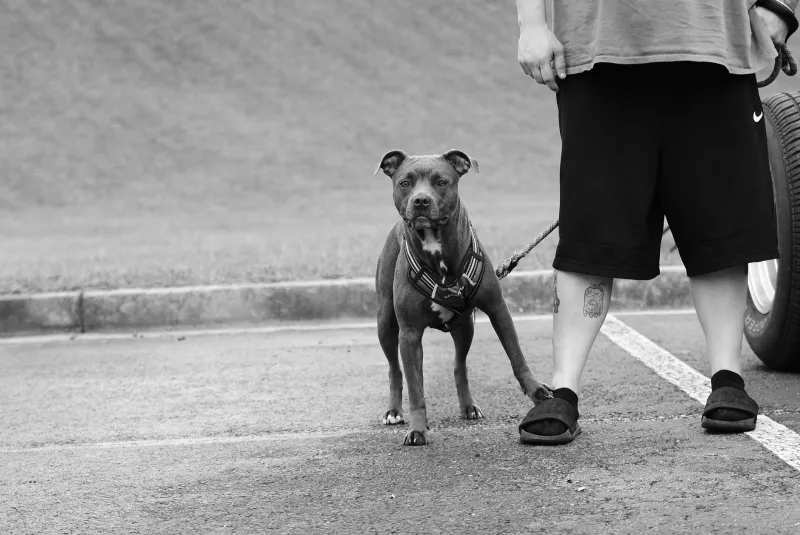
Skills Over Labels: Inside the Shelter Tryouts Where Pit Bulls Keep Winning
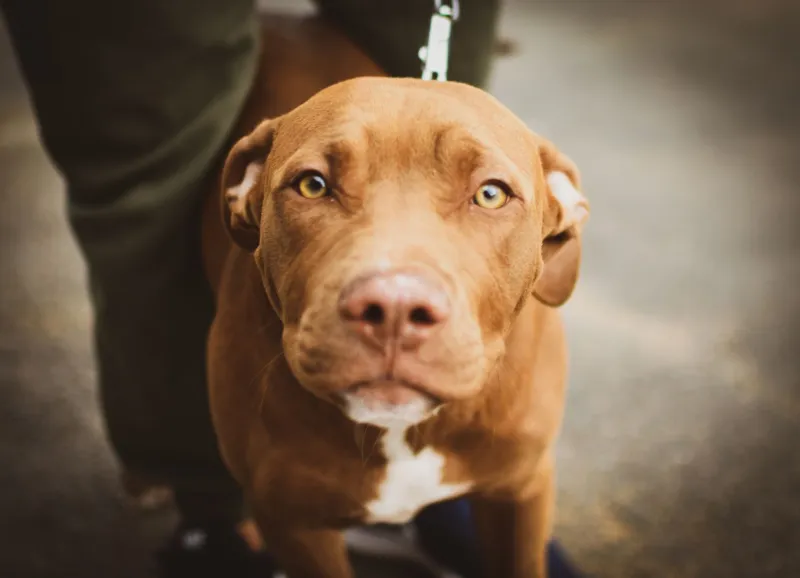
The clipboard said "Dog #7."
That's all the family from Toledo knew as they walked into the adoption pavilion on a bright Saturday morning. No name, no breed, no age, no backstory — just a dog, a trainer with a stopwatch, and a course of stations laid out like a combine for canines.
This is what a growing number of shelters are calling a merit-based evaluation day, and it might be the most quietly radical thing happening in American animal welfare right now.
Tryouts, Not Pedigrees
Here's the setup. Instead of browsing kennels and making split-second judgments based on a dog's looks or a breed label slapped on an intake form, adopters rotate through stations. Each dog demonstrates obedience basics, play drive, focus under distraction, and — the crowd favorite — cuddle tolerance. Scores get tallied. A leaderboard goes up. Adopters meet dogs ranked by what they can do, not what they're called.
The breed names? Hidden entirely. Staff won't reveal them until after paperwork is signed.
"The second someone hears 'pit bull,' half of them have already made up their mind," explains one program coordinator who asked us to describe her shelter rather than name it, since the pilot is still expanding. "We wanted to see what happens when you take the label off the table. The answer is: people fall in love with the actual dog."
Dog #7 Takes the Crown
On the day we visited, the top score belonged to Dog #7 — a muscular, grinning, sixty-pound blur of enthusiasm who nailed every station. Loose-leash walking? Flawless. The focus test, where a trainer rattles a treat jar while asking for eye contact? Dog #7 locked in like a linebacker reading a quarterback.
When the family from Toledo finally signed the papers and asked the obvious question, the staff smiled. Dog #7 was, of course, a pit bull mix.
The dad, a self-described "lifetime lab guy," stared at the leaderboard for a long moment. "I would've walked right past that kennel," he admitted. "That's the part that gets me."
The Other Two Leaders
Dog #7 wasn't alone at the top. Dog #2 — later revealed as a pit bull named Ruthie — dominated the cuddle station, melting into a belly-up puddle the moment anyone sat on the floor beside her. A retired nurse in her sixties adopted her on the spot, telling us she'd been "nervous about the breed" for years. "Nervous about which breed?" the coordinator asked. The nurse laughed. She honestly didn't know anymore.
And then there was Dog #11, a lean, high-energy pit bull who scored off the charts in play and focus — a natural fit for agility or dock diving, the evaluators noted. A twenty-something couple who'd come looking for "a jogging buddy, maybe a herding mix" left with Dog #11 and a recommendation to look up local dog sports clubs. Their assumptions didn't just get overturned; they got upgraded.
Why This Matters
Pit bulls consistently pass temperament evaluations at rates that rival or beat popular family breeds, yet they sit in shelters longer, get adopted less, and face housing and insurance discrimination that has nothing to do with how they actually behave. The gap between the data and the perception is where thousands of good dogs get stuck.
Merit-based evaluation days attack that gap directly. They replace the shortcut of a label with the evidence of behavior. They turn adoption from a beauty contest into a tryout — and merit, as we've been saying all along, is kind of our whole thing.
Can This Scale?
The honest answer: it's early. These pilot days require staff time, space, and trained evaluators, and not every shelter can run a full combine every weekend. But the model doesn't have to be all-or-nothing. Even simplified versions — hiding breed labels on kennel cards, adding a couple of skill stations to meet-and-greets — shift the conversation from "what is it?" to "what can it do?"
And adopters are ready for it. Americans love an underdog story, love a scouting report, love finding out the ninth-round pick is actually a franchise player. Pit bulls have been the ninth-round pick of the dog world for decades. Give them a tryout, and they keep proving everyone wrong.
Dog #7 went home to Toledo that evening. His new family renamed him Coach.
Fitting, honestly. Because that's exactly what days like this are doing — coaching America out of its assumptions, one leaderboard at a time.